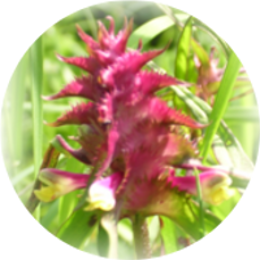
Shadwell Wood Map Ref: TL 573 412
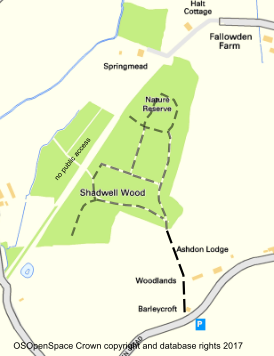 Shadwell Wood Leaflet – you can download a PDF leaflet about the wood on this link
Public Transport – Bus 59 Saffron Walden to Ashdon – irregular service.
Dogs allowed if under effective control. Please clean up after your dog.
Directions: On the main road from Saffron Walden to Ashdon, about half a mile before the village Church. Entrance to the reserve is by a track at the side of ‘Barleycroft’ bungalow. Essex Wildlife Trust does not own the track and would prefer visitors to Park on the opposite side of the main road in the field entrance. If you have difficulty walking and do drive the track, please go very slowly at walking pace only.
[infobox]SEASONAL MUD WARNING, December – March.
The track and field outside the wood are very muddy and getting cut up by vehicle wheels. This damages land not owned by Essex Wildlife Trust. If you drive on the track and field you are likely to get stuck ! [/infobox]
Designation: Site of Special Scientific Interest – this is a true Nature Reserve – a place Reserved for Nature. It is the home of some very rare species, in some cases their last home in the area, and the wood must be treated with respect. It is not a park, it is not a recreation ground, it is not an adventure playground. The saying goes, “Take only photos, Leave only footsteps”, but here you should not even leave footsteps. The rare plants grow on the paths and are very easily damaged by trampling. It is not the place to go “for a walk”, every step has to be carefully placed, and please do not leave the paths, the off-path areas are kept undisturbed for nature. Please only visit to study the wildlife and remember, Living Museum not Park.
If you visit with a dog you must keep it on a lead at all times.
Please note that despite reports in the Press this is not a good wood for Bluebells which are almost absent here. Woods where bluebells can be seen are at Howe Wood Strethall and Broom Wood Ugley, but there is no public access to those private woods so you can only enjoy them from the roadside.
Access:
The wood is open at all times but paths are unsurfaced and the entrance gates are inaccessible for wheelchairs. Dogs must be kept on leads at all times.
What to look for:
Shadwell Wood is a 17.5 acres Oxlip woodland with Oak and Ash trees and coppiced Hazel and Maple growing between them. Shadwell Wood is managed so that a host of our woodland flowering plants grow on the woodland floor. Early spring brings Oxlips, Wood Violets and Wood Anemones. These give way to Early Purple Orchids, Bluebells, Bugle and Herb Paris. Summer brings Common Spotted Orchids, Meadowsweet and Sanicle.
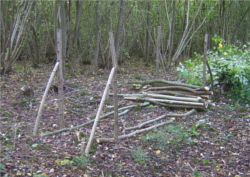
Beginning a new cord of wood in a traditional post and rail frame
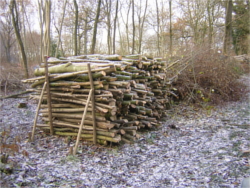
The Cord complete – this will stand for at least a year to season
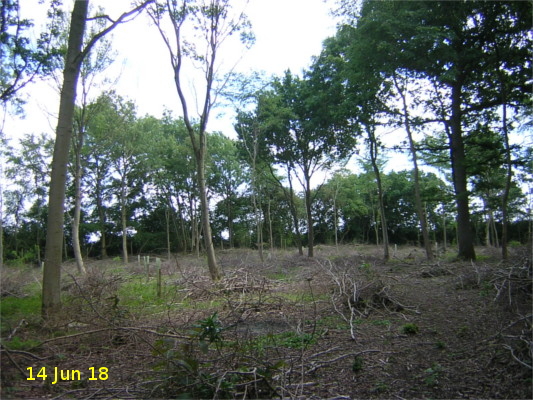
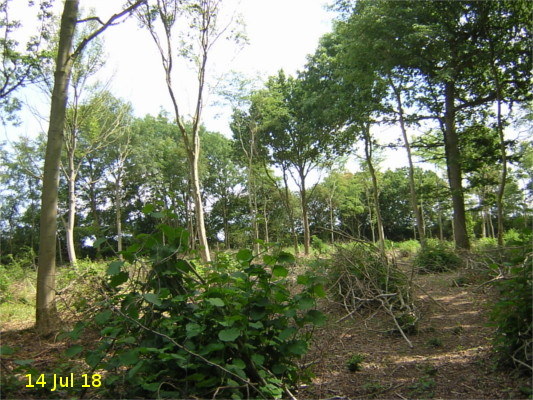
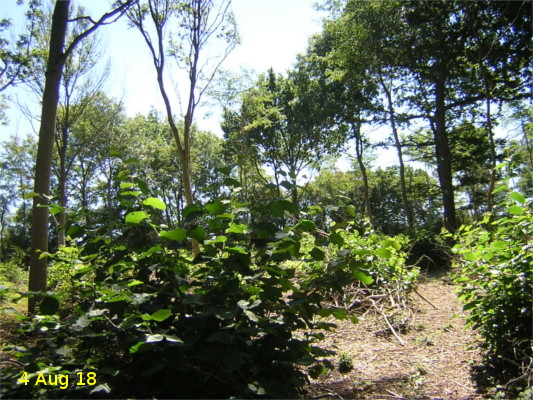
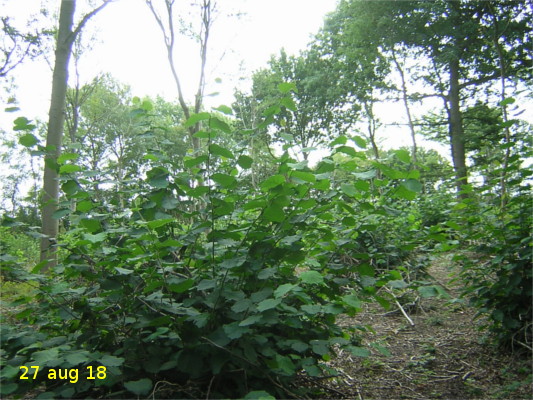
The wood is managed in the traditional manner by coppicing, cutting a section to the ground each year, from which it quickly regrows. This is the way the wood was used for centuries, producing wood for tools, fences, fires and housebuilding in the local area. The differing stages of regrowth encourage many summer visiting birds to nest, and provide open sunny areas for ground layer plants to flower, and for butterflies to feed. Fencing is used to exclude deer from the wood otherwise they would browse the tender coppice regrowth, killing or stunting the trees, and would eat the flowers.
Here are two slide show galleries about the art of coppicing; the first is a general explanation of the process, and the second follows this year’s coppiced area
Stage 2 - the trees grow back
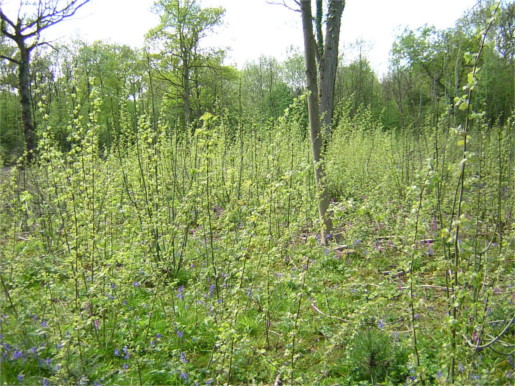
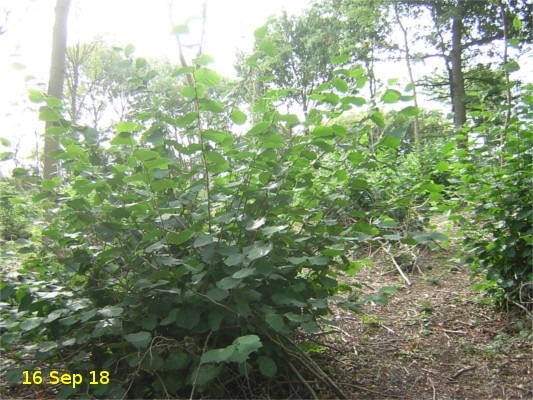
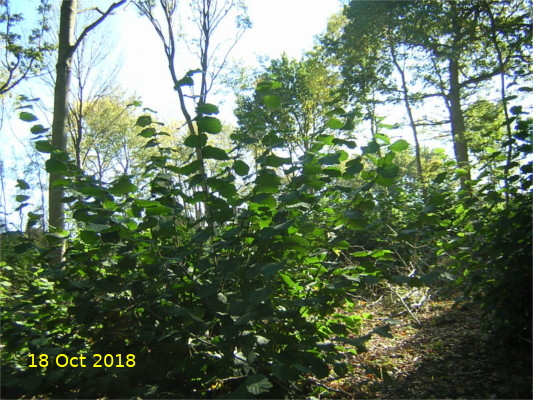
This is the first Spring after cutting, and the coppice stools produce shoots up to 7 feet tall. The ground now gets more sunlight and produces a wide range of wildflowers, like Violets, Oxlip, Bluebell, and orchids. Butterflies like this stage, and birds use it to feed in.
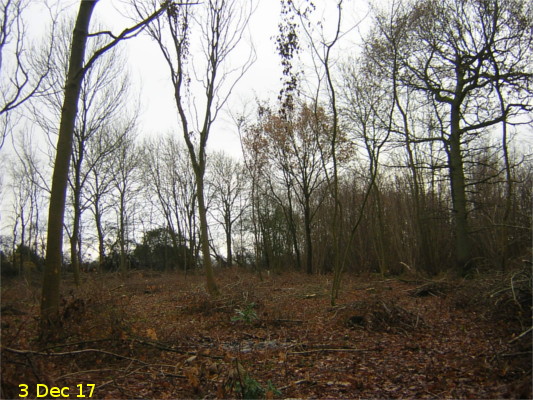
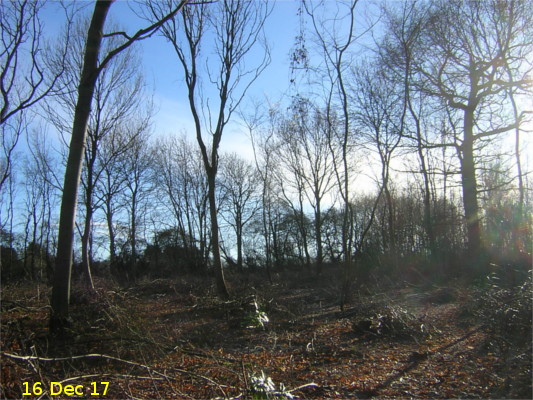
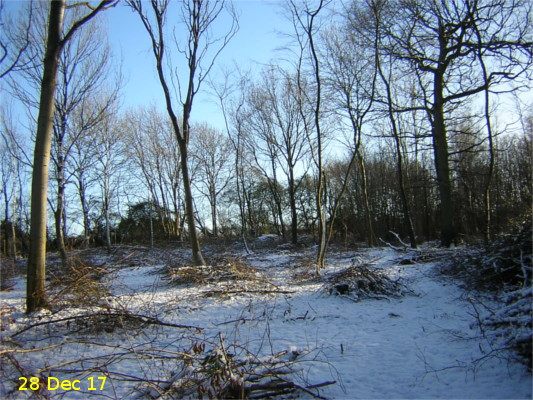
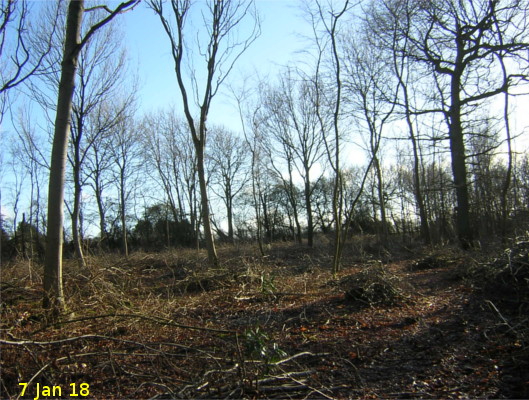
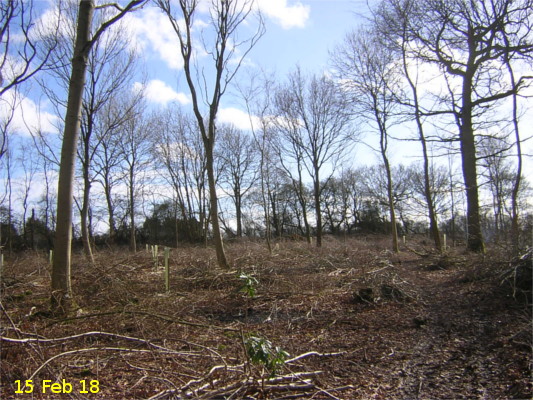
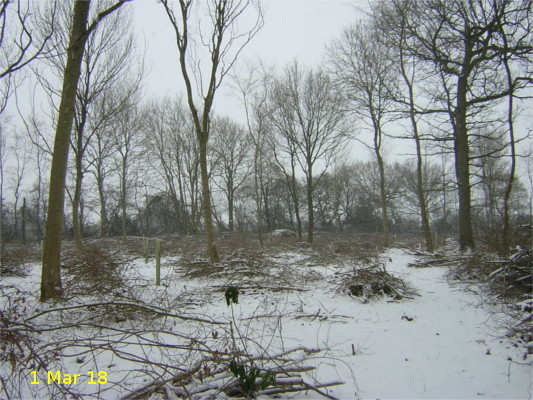
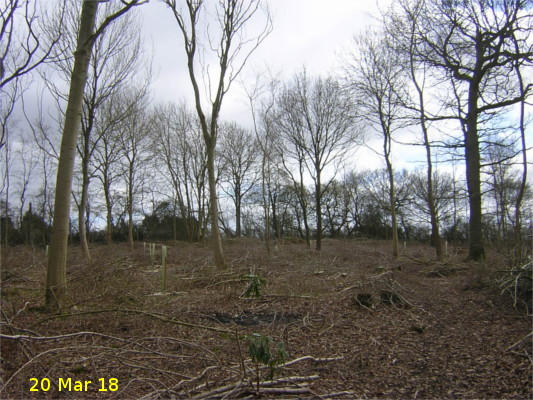
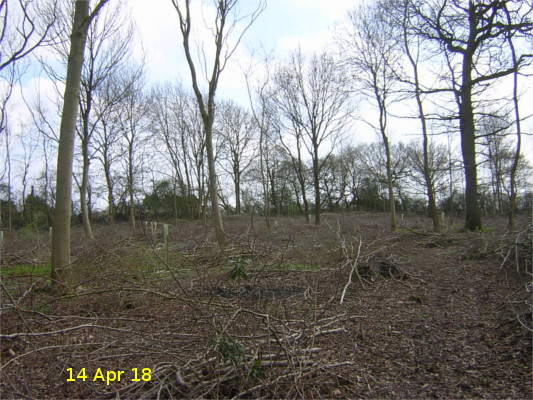
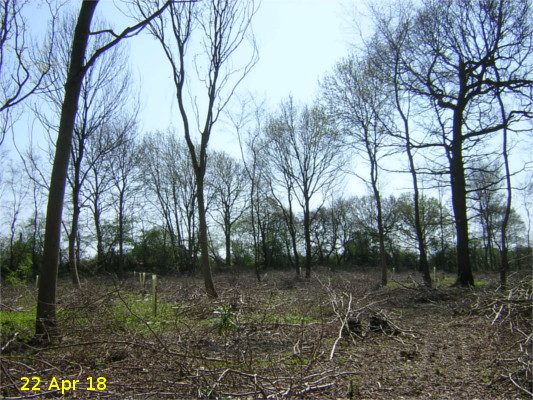
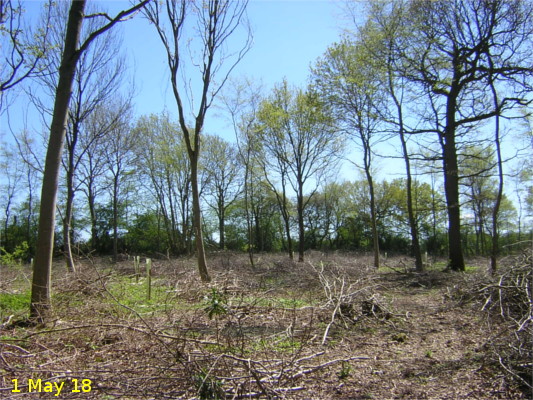
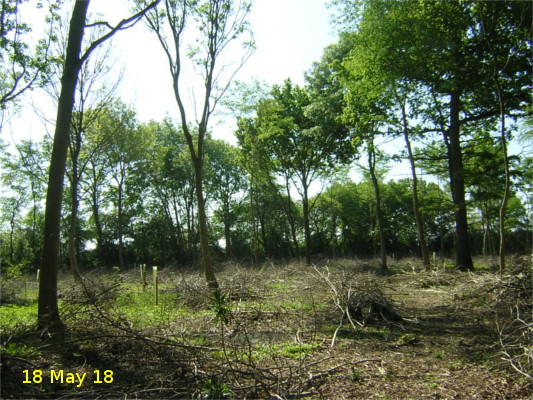
Worked ancient woodlands are now very rare. As part of caring for our natural landscape we do our best to look after these important ecosystems.
More About Woodlands