
Welcome to Uttlesford Wildlife.
This website is provided to give information about the wildlife that can be found in the rural countryside of Uttlesford District, around and between Saffron Walden, Great Dunmow and Stansted in north-west Essex. To find nature reserves and other sites of interest go to Places to Visit.
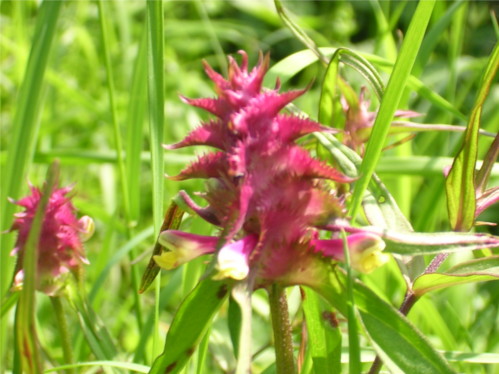
Although, in common with the rest of the country, this area has suffered from the impacts of development and intensive farming, there are still many places where rare species and attractive habitats can be found. The picture in our logo is Crested Cow-wheat, and Uttlesford is now one of the last parts of the UK where this species can be found. You can read more about this species on the Saffron Walden Museum website.
Ancient woodland with Oxlips, and chalk grassland roadside verges are specialities of the area. There are also marsh sites in our river valleys, and traditional orchards, all offering opportunities to see many wildflowers including orchids.
Slideshow
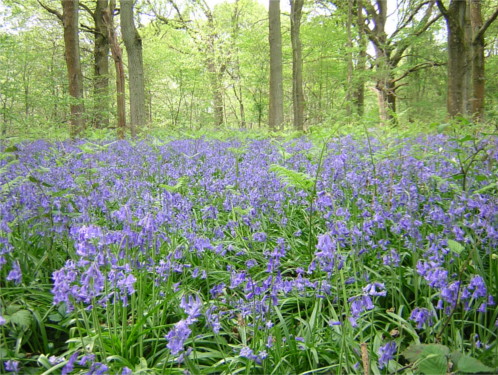
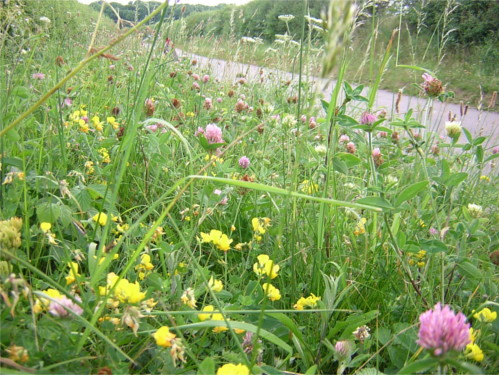
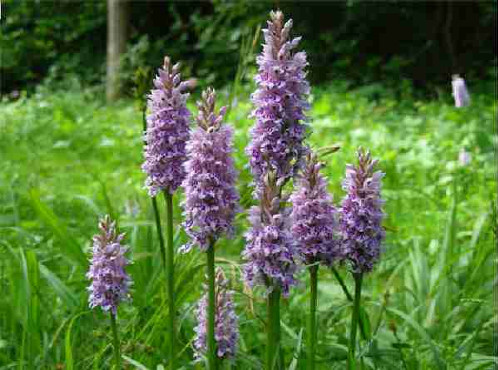
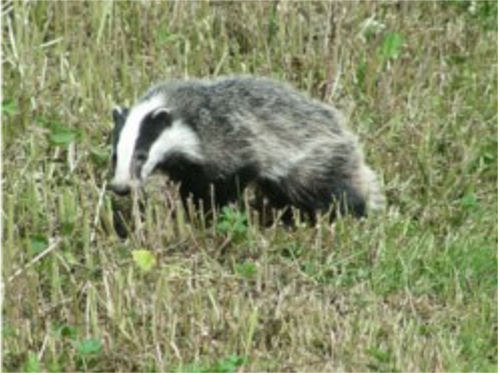
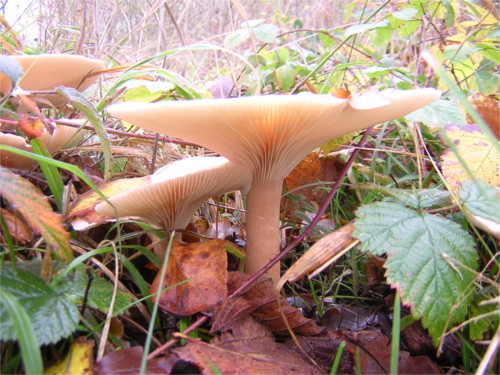
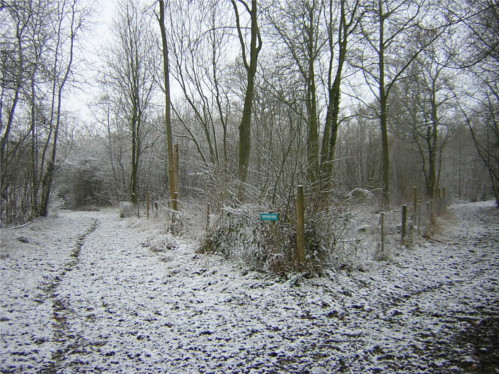
A selection of photographs of the wildlife in the district. Click on any photo to start the slideshow, and then hover over the photo and use the arrows to move through the photos..
Help a Hedgehog today
Our gardens are an important habitat for Hedgehogs, which have suffered a massive population drop over the last few decades. Watch this cute video to see how to make your garden Hedgehog friendly. And if you are driving at night and see a Hedgehog on the road in front of you, stop the car and help it get to the side of the road !
More Information from –
EARTH OVERSHOOT DAY
Earth Overshoot Day is explained in a YouTube Video in this link – https://www.youtube.com/shorts/GpozKNyWQWs.
An analysis by Global Footprint Network and Greenings shows that this year’s Earth Overshoot Day fell on July 30, the date when humanity’s demand on nature exceeds what Earth’s ecosystems can regenerate in that year, according to Global Footprint Network (https://www.footprintnetwork.org/). Humanity is currently using nature 73% faster than ecosystems can regenerate, the equivalent of living off 1.73 Earths. Their full report can be read on this page ( https://overshoot.footprintnetwork.org/newsroom/eod-2026-en/ )
To quote from that page , ‘A variety of factors contribute to overshoot, such as cars, power plants and factories emitting more CO₂ than the biosphere can absorb, more freshwater being consumed than is replenished, more trees being harvested than can regrow, and more fish being caught than stocks can replenish. Overuse depletes natural capital and threatens long-term economic security worldwide.’
This figure shows how the dates of Earth Overshoot Day have shifted over time, according to the newest edition of the National Footprint and Biocapacity Accounts.
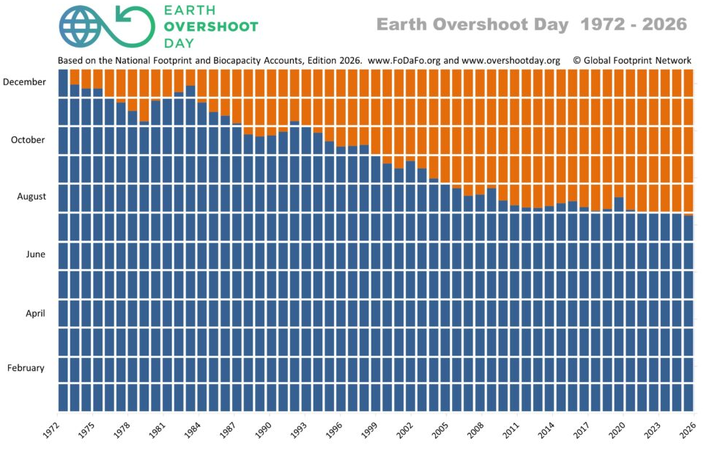
Britain’s Overshoot Day in 2026 fell on Friday May 22nd, and after that date all resources consumed are at the expense of unsustainable depletion and damage to the Earth. If everyone on the planet lived like us in Britain we would need 2.6 Earths to support us sustainably.
On this webpage – https://overshoot.footprintnetwork.org/newsroom/country-overshoot-days you can see which countries have the earliest Overshoot Days, and thus the highest resource consumption, and also see the few countries that are living within their biocapacity.